Click! - Clicca!

 |
| The Greek Parliament - Il Parlamento Greco |
 Buckingham Palace is the Queen's (Elizabeth) official and main royal London home. It has been the official London residence of Britain's monarchy since 1837. Queen Victoria was the first monarch to live there. Buckingham Palace is the Queen's (Elizabeth) official and main royal London home. It has been the official London residence of Britain's monarchy since 1837. Queen Victoria was the first monarch to live there. Buckingham Palace is also an office Buckingham Palace is also an office
Buckingham Palace is used also for the administrative work for the monarchy. It is here in the state apartments that the Queen receives and entertains guests invited to the Palace.
History of Buckingham Palace
Buckingham Palace was originally a grand house built by the Dukes of Buckingham for his wife. George IV began transforming it into a palace in 1826.
Royal Flag
When the Queen is at home, you can see her royal flag flying from the flag pole on top of Buckingham Palace. This flag is called the Royal Standard.
The flag is split into four quadrants. The first and fourth quadrants represent England and contain three gold lions walking on a red field; the second quadrant represents Scotland; it contains a red lion
standing on the left hind foot on a gold field;
the third quadrant represents Ireland and contains the gold Coat of arms of Ireland on a blue field.
 Five regiments of Foot Guards guard the Palace. They wear red jackets and tall, furry hats called bearskins.When the first guards come on duty, there is a ceremony called the Changing of the Guard. Inside Buckingham Palace  The Palace has around 600 rooms, including 19 State rooms, 52 royal and guest bedrooms, 78 bathrooms, 92 offices, a cinema and a swimming pool. It also has its own post office and police station. The Palace has around 600 rooms, including 19 State rooms, 52 royal and guest bedrooms, 78 bathrooms, 92 offices, a cinema and a swimming pool. It also has its own post office and police station.About 400 people work at the Palace, including domestic servants, chefs, footmen, cleaners, plumbers, gardeners, chauffers, electricians, and two people who look after the 300 clocks. |

 There were two bells cast as the clock tower's hour bell. A first, a 16 ton weighing bell was cast by John Warner and Sons in 1856. Since the Clock Tower was not yet completed, the bell was hung temporarily in the Palace Yard. The bell soon cracked so it was recast in 1858 in the White chapel Bell Foundry as a 13.5 ton bell. Unfortunately, soon after this bell was placed in the belfry in July 1859, it cracked as well. This time, instead of yet again recasting the bell, the crack was repaired and a lighter hammer was used to prevent any more cracks.
 The clock was the largest in the world and still the largest in Great-Britain. The clock faces have a diameter of almost 7.5m. The hour hand is 2.7m long and the minute hand is 4.25m long.
 Tate Modern has an excellent collection of modern art, from 1900 until now. It is housed in a former power station. Since its opening in 2000 it has become one of London’s most popular museums.
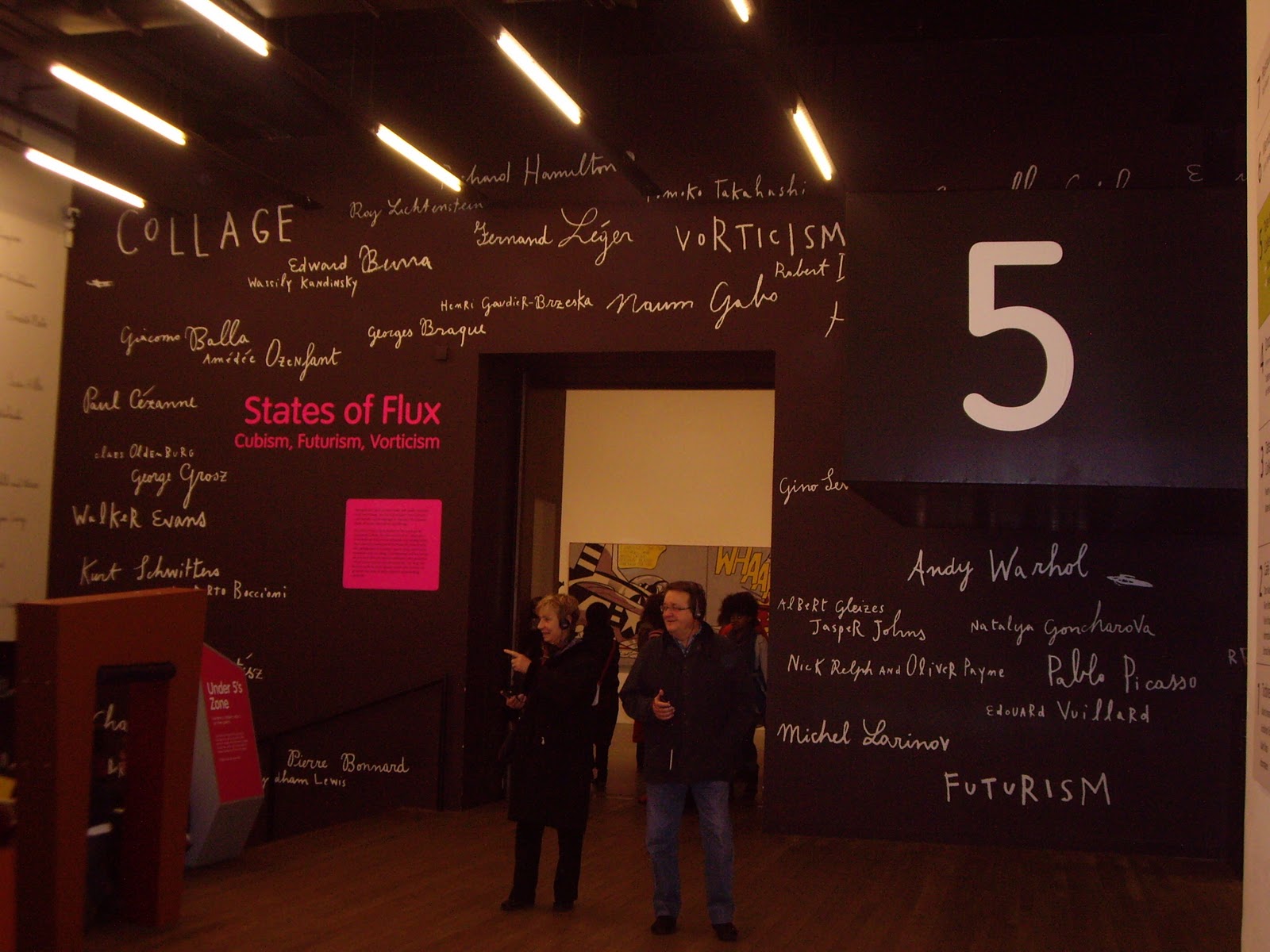 At the end of the 1990s the Tate Gallery - now known as Tate Britain - was struggling with a lack of space due to its quickly expanding collection of modern art. So it was decided to split up the collection and search for a new location to house the modern works of art. The power station, which was located at the riverbank of the Thames was chosen as it had been abandoned in 1981 and offered plenty of space. A competition was held to find an architect for the reconversion of the building. A plan by the Swiss architects Herzog and de Meuron was selected out of 148 entries.


 Camden Market in North-West London is one of London's most popular weekend tourist attractions, offering fashion and crafts; a mix of people and foods from every corner of the world. The area has been made famous by films, pop icons 'Madness' & Oasis, and historic writers such as George Orwell, Mary Shelley and Charles Dickens.


 They approached British Waterways and obtained the rights to lease from them some of the properties to realise this idea. As news of Camden travelled so to the market area became more popular and this saw the addition of further market stall areas. The Camden market of today has now less than 4 distinct markets and is complemented by shops with clothes and merchandising from around the world. Camden Market is a shopper’s paradise!